
MAE ESTES - "The 90s Called" - Blue Highway Records
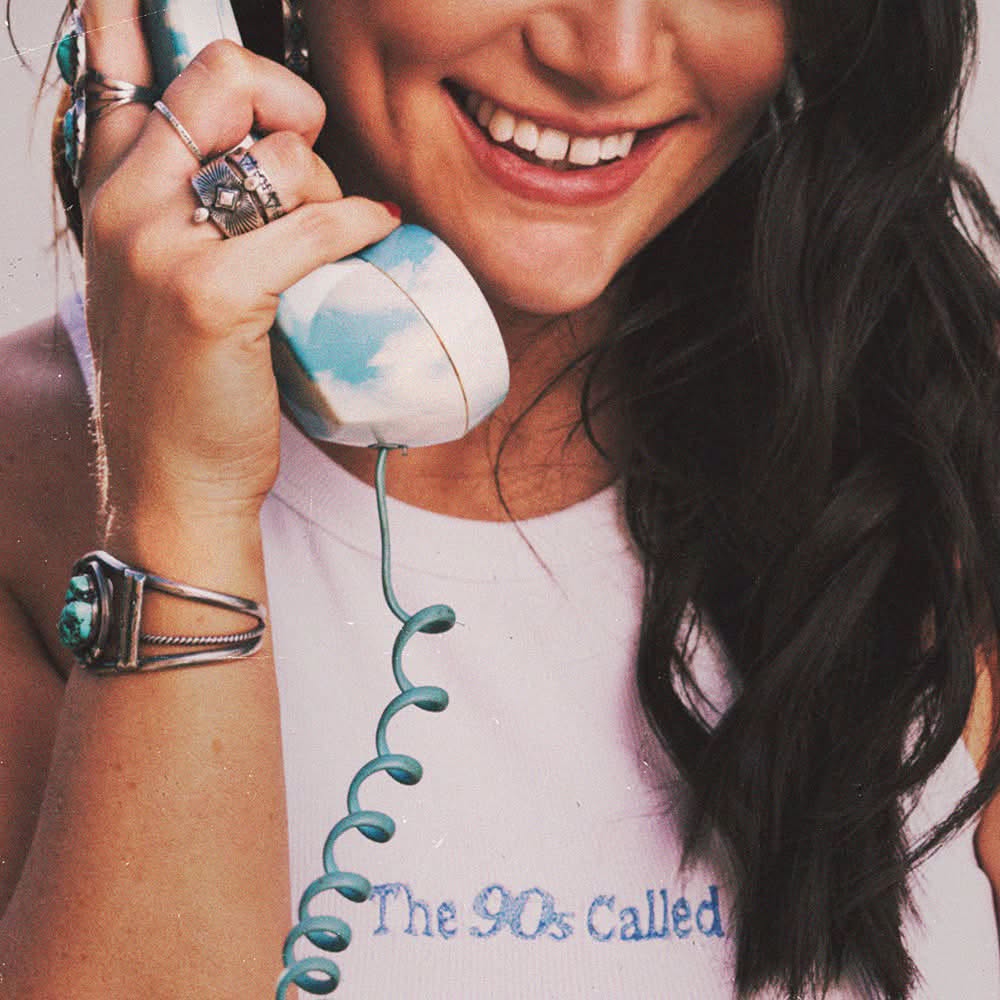
Country music has always carried a deep connection to its history. The genre evolves constantly, but the strongest artists understand that progress does not require abandoning the sounds and traditions that built the foundation. With "The 90s Called," Mae Estes delivers a spirited reminder that classic country influences still have plenty of life left in them. More than a simple throwback, the song is a confident celebration of the humor, musicianship, and personality that made 1990s country so memorable.
From the opening moments, the track makes its intentions clear. The unmistakable presence of dobro and fiddle immediately sets the tone, creating a sound that feels rooted in the honky-tonk traditions that shaped an entire generation of country music. Written by Aaron Raitiere and Benjy Davis, "The 90s Called" embraces the era's larger-than-life character while keeping enough energy and personality to feel right at home in today's country landscape.
The song's greatest achievement is that it understands the difference between nostalgia and imitation. A lesser track could have relied solely on familiar references and vintage imagery, but Estes brings genuine musical conviction that prevents the song from becoming a novelty. She is not simply recreating a sound—she is showing why that sound continues to connect with listeners decades later.
Musically, the production strikes an appealing balance between traditional country instrumentation and modern clarity. Joe Spivey's fiddle work adds personality and movement throughout the track, while the arrangement leaves enough room for the individual instruments to shine. The result is a lively, dance-floor-ready country song that feels inspired by the past without being trapped there.
The cleverness of "The 90s Called" is another major strength. The song's playful references to outdated technology, classic country fashion, and familiar cultural touchstones create a fun premise, but the humor never overwhelms the music itself. The central joke—that the '90s want their country back—works because Estes delivers it with affection rather than criticism. She is not arguing against the direction of modern country music; she is celebrating the elements that made the genre distinctive in the first place.
That authenticity is what makes Estes such a compelling presence. Her vocal performance carries both confidence and warmth, giving the song the kind of lived-in quality that cannot be manufactured. She sounds completely comfortable within this traditional framework, delivering each line with the personality and storytelling instinct that have long been essential parts of great country music.
At a time when many country songs lean heavily toward polished pop influences, "The 90s Called" offers a refreshing reminder of the power of simplicity. The fiddle, dobro, and straightforward songwriting are not presented as relics—they are treated as timeless ingredients that still have a place in contemporary country. Estes understands that honoring the genre's roots does not mean refusing to move forward.
The only potential limitation is that a song built around a specific era could risk depending too heavily on its concept. However, Estes avoids that trap by making the musicianship and performance strong enough to stand beyond the references. The nostalgia may be what draws listeners in, but the song's charm is what keeps them there.
As a preview of what is ahead from an artist deeply connected to traditional country influences, "The 90s Called" makes a clear statement. Mae Estes is not trying to recreate the past—she is carrying its best qualities into the present. With its infectious energy, sharp songwriting, and unmistakable country spirit, the song proves that the sounds of yesterday can still feel exciting when delivered with authenticity.
"The 90s Called" does not ask listeners to go backward. Instead, it offers a reminder of why those classic country sounds mattered in the first place—and why they still do.
(Review Written By: Chad Carlson)
Latest Updates
- Visualizer: Mitchell Tenpenny - "Ain't My Problem"
- Lyric Video: Jordan Davis - "Mess"
- Single Review: Thelma & James - “Good By Now”
- Single Review: Kameron Marlowe - “Take You Down With Me”
- Single Review: Conner Smith - “Fall Down”
- Single Review: Dustin Lynch & Ashley Cooke - “How You Been”
- Single Review: Cody Jinks & Alice Cooper - “Moving Mountains”
- Single Review: Clay Walker - “All Wrapped Up In You”
- Single Review: Hardy - “The Man In The Box”
- Single Review: Bayker Blankenship - “Make Trouble”
- Single Review: Brendan Walter - "Model Maniac"
- #throwbackthursday: Blake Shelton - "The Baby"
- Single Review: Cigarettes @ Sunset - "Carolina Shakedown"
- Music Video: Vincent Mason - "Damned If I Do"
- Visualizer: Joe Nichols - "Say La V"
- Music Video: Shinedown - "Searchlight"
- Lyric Video: Miranda Lambert & Ella Langley - "Snakeskin Boots"
- Lyric Video: Noeline Hofmann - "Wilson Silverstar 402 Blues"
- Visualizer: Erin Kirby - "Cross My Mind"
- Single Review: Jacob Hackworth - "Last Night I Got Lonely"