
JACOB HACKWORTH - "Last Night I Got Lonely" - Goat Island Sound/MCA Nashville/UMG
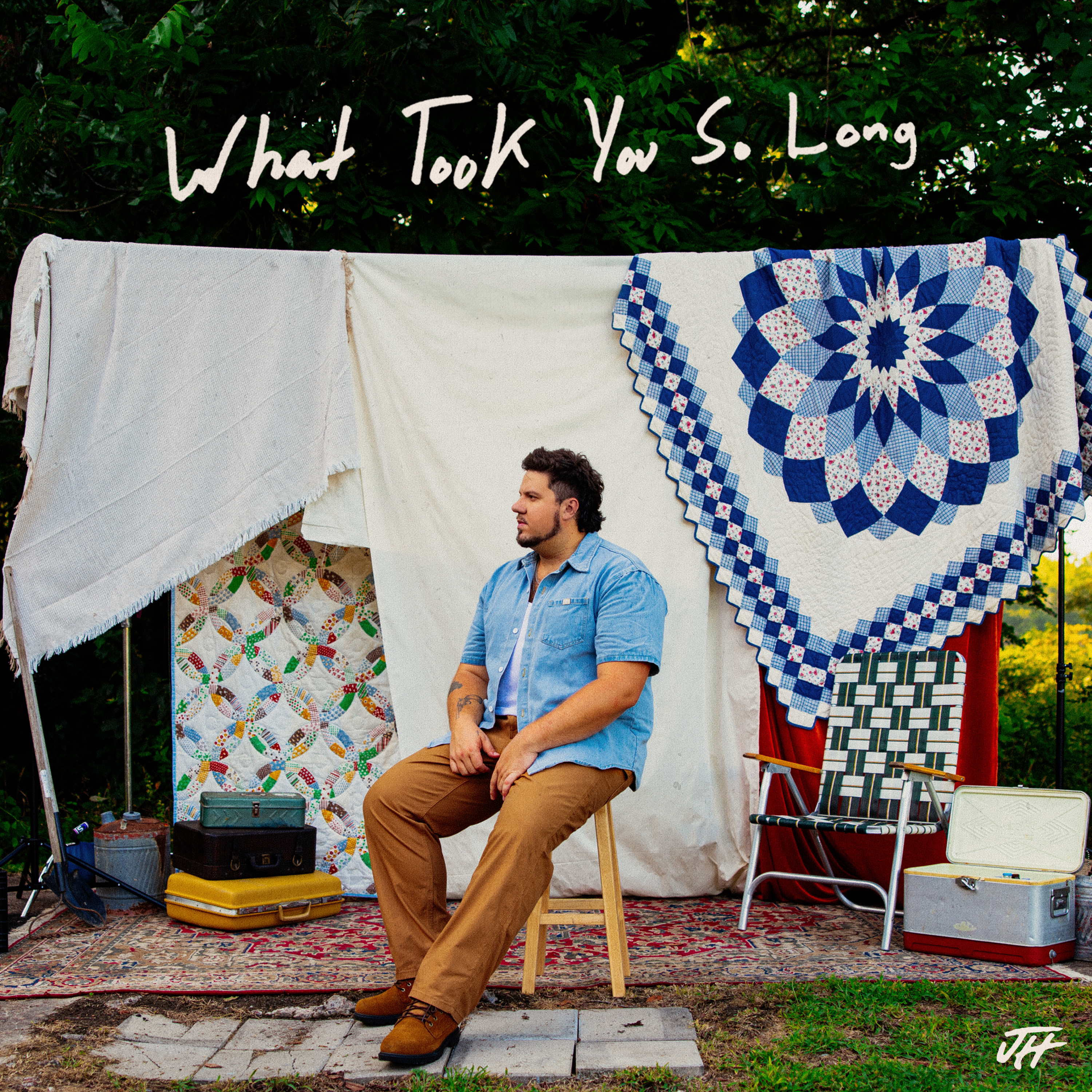
Some country songs begin with a broken heart; the best ones begin with the bad decision that follows. On “Last Night I Got Lonely,” Jacob Hackworth catches his narrator at precisely that moment—when a few drinks, an old phone number, and the ache of an empty night make the past look inviting again. It is familiar country territory, but Hackworth approaches it with enough detail, restraint, and hard-earned self-awareness to make the regret feel entirely his own.
Hackworth makes the well-worn setup personal by focusing on the quiet negotiations before the knock at the door: the excuses, the fading judgment, the hope that familiarity might briefly silence the hurt. It is less a cautionary tale than an honest snapshot of someone losing an argument with himself.
The song’s appeal lies in that balance between recognition and specificity. Listeners know the shape of this mistake before the story fully unfolds, yet Hackworth keeps the scene from feeling predictable by staying close to the narrator’s thought process. Each rationalization makes the next step seem inevitable, even as the listener can see the consequences waiting on the other side of the door. That dramatic irony gives the track momentum without forcing it into melodrama.
Released in September 2026 through Goat Island Sound under exclusive license to UMG Recordings, the single is the fourth chapter of Hackworth’s seven-track debut EP, What Took You So Long, due October 23 via MCA/Goat Island Sound. In the project’s chronological breakup narrative, it arrives at exactly the right point: after the first shock has faded, but before good sense has fully returned.
Written by Hackworth with Gabe Foust and Danny Majic, the song follows a narrator who, after a few drinks, turns up uninvited at an ex’s doorstep. The writing is smart enough not to frame the visit as a grand romantic gesture. Its tension comes from hearing someone recognize a bad decision even as he makes it—heartbreak rendered not as noble or cinematic, but repetitive, embarrassing, and deeply human.
The lyrics are economical but vivid. Costly vices, a name glowing on a phone, and common sense blowing out a Chevy window sketch the scene without crowding it. Even the playful “Jack and Jill” turn carries a trace of denial, as though the narrator is joking around what he already knows. Those details give the confession personality without making it feel staged.
There is craft in the way those images move from humor to damage. The wordplay offers a momentary grin, but the song never lets wit become an escape hatch. Beneath it sits the uncomfortable truth that loneliness can make self-sabotage feel almost logical. Hackworth and his co-writers allow the narrator to be flawed without turning him into a caricature, and that generosity makes the emotional stakes more convincing.
Producer Daniel Ross keeps the focus on Hackworth’s plainspoken delivery and the uneasy pull between restraint and relapse. The arrangement supports the intimacy rather than competing with it, giving the track a polished, radio-ready finish while preserving the rough edges that make the confession believable.
That restraint suits Hackworth. He does not need a dramatic vocal showcase to communicate the weight of the moment; he sings with the worn clarity of someone confessing after the adrenaline has faded. The hook carries both admission and aftermath, turning “last night I got lonely” into a compact explanation for a chain of choices he cannot defend.
That choice also gives the single replay value. The hook lands quickly, but the performance reveals more on a second listen: the ruefulness beneath the conversational phrasing, the tension between desire and judgment, and the sense that the narrator knows morning will bring no easy defense. Hackworth sounds comfortable leaving those contradictions unresolved, which is often where the most persuasive country storytelling lives.
More importantly, the song understands that healing is rarely linear. As the EP’s emotional pivot, it captures the backward step that often comes before real movement: returning to a familiar person, surrendering to nostalgia, then realizing that wanting comfort is not the same as finding it. Knowing the breakup behind the project ultimately pushed Hackworth toward Nashville adds another layer; this low point became part of the road that led him to his voice.
It also strengthens the larger project by refusing to rush toward redemption. Breakup records can flatten their stories into clean stages—hurt, anger, acceptance—but “Last Night I Got Lonely” leaves room for the relapse in between. In doing so, it gives What Took You So Long a more believable emotional shape and suggests that Hackworth is thinking not only in singles, but in chapters.
With this fourth preview of What Took You So Long, Hackworth does more than deliver a sturdy heartbreak song. He shows a sharp instinct for the details that separate confession from cliché: the joke used as camouflage, the flash of self-knowledge that arrives too late, and the lonely choice that feels reasonable only until morning. “Last Night I Got Lonely” is accessible without sounding generic, polished without sanding away its humanity, and vulnerable without asking for sympathy. Most importantly, it leaves the listener with a clear sense of the artist behind it. Hackworth is not simply singing about a mistake; he is showing how people talk themselves into one. That is the kind of emotional precision country music is built for—and it makes his debut EP feel worth waiting for.
(Review Written By: Dave Pierce)
Latest Updates
- Lyric Video: Noeline Hofmann - "Wilson Silverstar 402 Blues"
- Visualizer: Erin Kirby - "Cross My Mind"
- Single Review: Jacob Hackworth - "Last Night I Got Lonely"
- Single Review: Myles Morgan - "Missin’ Me Drunk"
- Lyric Video: Stella Lefty & Vincent Mason - "Something To Lose"
- #throwbackthursday: Kenny Chesney - "Don't Blink"
- Single Review: Kaitlin Butts - “What More Could You Want”
- Single Review: Mitchell Tenpenny - “Ain’t My Problem”
- Single Review: Walker Montgomery - “24/7 365”
- Single Review: Jordan Davis - “What Do I Do If You Don’t”
- Single Review: LOCASH - “Where My Stars Line Up”
- Single Review: Hudson Westbrook - “One Night Wonder”
- Single Review: Belles - “Everything But Over You”
- Single Review: Lady A & Boyz II Men - “I Love The One”
- Single Review: Josh Ross - “Drink Things Through”
- Single Review: Dasha - “82 Chevy”
- Single Review: Reba McEntire - “Could Have Been Raining”
- Music Video: Kenny Chesney - "Remember Me That Way"
- Single Review: Morgan Wallen - “Last Thing You Need”
- Single Review: Muscadine Bloodline - “Escatawpa Hollow”