AVERY ANNA - "Roadkill" - Warner Records Nashville
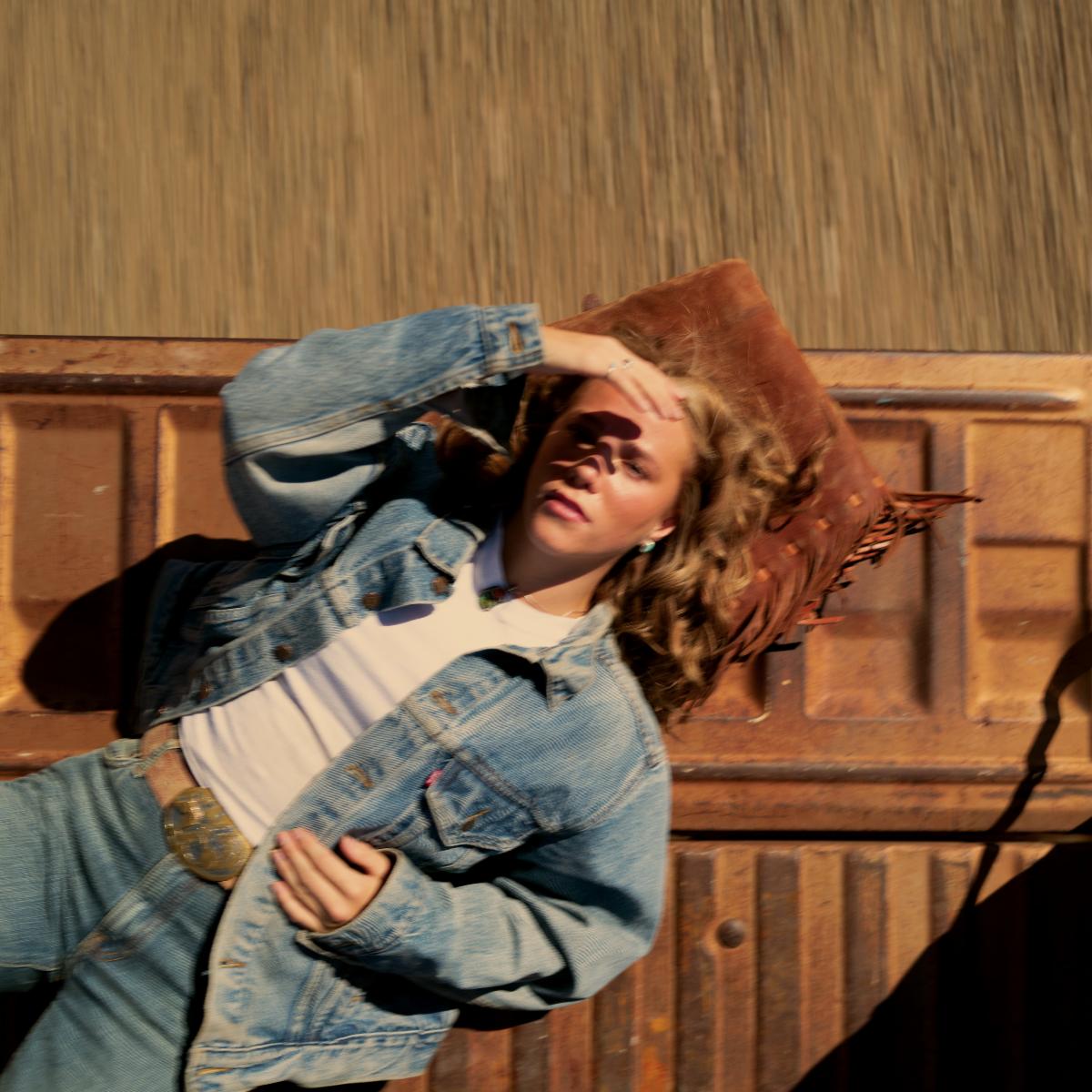
A love song doesn't necessarily need a pretty picture to make a lasting impression. Avery Anna understands that on “Roadkill,” an arresting release that finds beauty in an image most songwriters would probably avoid. Instead of reaching for familiar romantic expressions, the Arizona-born singer-songwriter builds her story around emotional wreckage, unexpected rescue, and the extraordinary difference one person can make in another's life. Released November 13, 2026, through Warner Records Nashville, the single pairs Anna's instinct for emotionally revealing songwriting with a heavier musical direction, creating one of her more adventurous recordings to date.
Co-written by Anna alongside David Fanning, Andy Sheridan, and Ben Williams, “Roadkill” approaches the experience of finding love after emotional devastation through an unforgettable central metaphor. The narrator imagines how badly her life might have deteriorated if someone special had not entered the picture. Rather than relying on familiar romantic expressions, the song uses the image of something abandoned on the roadside to communicate the depth of that despair. It is an intentionally jarring comparison, but one that gives the story its identity. Beneath the harsh imagery is a surprisingly tender message about encountering someone who recognizes your damage, refuses to look away, and helps you rediscover a reason to keep moving forward.
That contrast becomes even more interesting when considering the musical direction. Described as a desert-grunge track, “Roadkill” combines country storytelling with a heavier alternative-rock sensibility. Distorted guitars and an expansive, western-inspired atmosphere give the recording a distinctive edge, creating a backdrop that feels considerably more aggressive than a conventional country love song. There is a compelling sense of momentum throughout the arrangement, with the instrumental intensity reinforcing the emotional urgency of the lyrics. The result feels bold without becoming overwhelming, allowing the song's central message to remain firmly in focus.
Anna's vocal performance is arguably the recording's greatest strength. Her voice possesses an expressive quality that allows her to move between sweetness and intensity without losing its character. Here, she embraces the more forceful side of her range, bringing convincing urgency to the chorus while maintaining the vulnerability that gives the lyrics their emotional significance. The contrast between her naturally melodic delivery and the rougher instrumental backdrop is particularly effective. Rather than allowing the heavier production to dictate the entire personality of the recording, she uses it as an opportunity to reveal another dimension of her artistry.
The release also arrives during an exciting period in Anna's career. Following her breakthrough with the Platinum-certified “Narcissist,” she has continued developing her identity through increasingly personal songwriting. Her debut album, Breakup Over Breakfast, arrived in 2024, followed by let go letters in 2025. Across those projects, she has demonstrated an interest in exploring complicated emotions and difficult experiences with unusual openness. Her recognition as ACM New Female Artist of the Year and her CMA New Artist of the Year nomination further reflect the growing momentum behind her career. “Roadkill” provides another indication that she is comfortable taking creative risks as her audience continues to grow.
What makes this single especially rewarding is that its musical toughness never obscures its underlying tenderness. Anna takes a subject that could easily become overly sentimental and gives it an unexpected edge, creating a recording that feels both emotionally exposed and unapologetically confident. Her willingness to experiment with heavier sounds while maintaining her commitment to honest songwriting makes “Roadkill” particularly memorable. It is an impressive showcase for her vocal abilities and an exciting expansion of her musical identity. Most importantly, it demonstrates that even the roughest stories can contain something beautiful.
(Review Written By: Chad Carlson)
Latest Updates
- Single Review: Brendan Walter - “Simplest Way”
- Single Review: Morgan Wade - “Christmas List”
- #throwbackthursday: Zac Brown Band - "Jump Right In"
- Single Review: Avery Anna - “Roadkill”
- Single Review: Seaforth - “Run Out Of Beer”
- Single Review: Chase Rice - “Joe”
- Single Review: Gabby Barrett - “Drop Anchor Here”
- Single Review: Howl Owl Howl - "Everybody Wants Her"
- Single Review: Kameron Marlowe - "Tell By Now"
- Single Review: Preston Cooper fest. ERNEST - "Midnight Stars And Stripes"
- Single Review: The Jack Wharff Band - "Torn Up Sweater"
- Lyric Video: U2 - "Torn" (feat. Dolly Parton)
- Music Video: Mack Geiger - "How It Ends"
- Visualizer: Greylan James - "Tennessee You Again"
- Visualizer: Brandon Lake - "Changing"
- Lyric Video: Preston Cooper - "Can't Fall For You"
- Visualizer: Spencer Hatcher - "Keep the Sad People Happy"
- Music Video: Benny G - "In The Now"
- Music Video: Shea Fisher - "What A Man Really Wants"
- Visualizer: Jackson Dean - "Blacktop Blues"