DYLAN MARLOWE - "Here Lately" - Sony Music Nashville
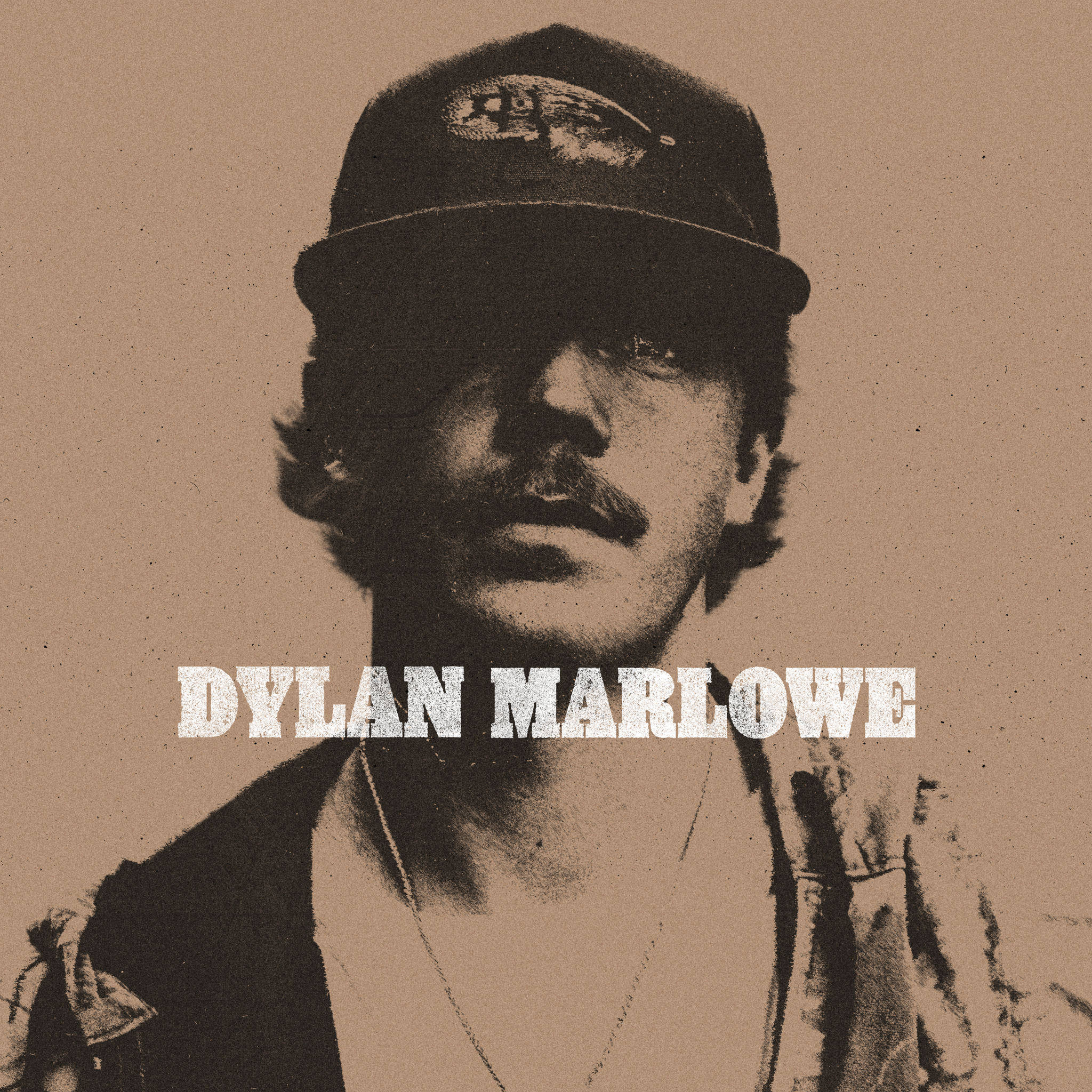
In a small town, leaving a relationship behind can be considerably harder than leaving the relationship itself. Familiar roads, favorite gathering spots and everyday encounters have a way of bringing the past back into focus, even when you're determined to move forward. It's that familiar emotional territory Dylan Marlowe explores on “Here Lately,” a relaxed, reflective country track that reveals a different dimension of the Georgia-born singer-songwriter's musical personality. Featured on his self-titled sophomore album, released November 6 through Sony Music Nashville, the song steps away from the energetic pop-punk influences heard elsewhere on the record, embracing a more traditional country sensibility built around relatable storytelling and an easygoing melody.
Written by Joe Fox, Abram Dean and Trannie Anderson, “Here Lately” follows someone navigating the familiar surroundings of a small town while struggling to leave a past relationship behind. The premise is immediately relatable, but it's the song's attention to everyday details that gives its storytelling personality. References to migrating mallards and the unmistakable presence of outdoor enthusiasts provide a distinctly Southern sense of place, helping the narrative feel rooted in a recognizable community. Rather than relying entirely on familiar heartbreak imagery, the writers introduce details that make the setting feel lived-in and authentic.
At its heart, the song captures the frustration of realizing that moving on emotionally isn't always as simple as changing your circumstances. Even after a relationship has ended, memories have a way of attaching themselves to ordinary places and everyday routines. Marlowe delivers that sentiment without overcomplicating the narrative, allowing the familiarity of the situation to do much of the emotional work. There's no grand revelation here, just the recognition that sometimes the smallest reminders can have the strongest hold on us.
Musically, “Here Lately” takes a welcome detour from the louder, guitar-driven direction that has become an important part of Marlowe's emerging identity. Co-produced by Marlowe and Joe Fox, the midtempo arrangement favors acoustic guitar, subtle banjo textures and restrained instrumentation. The production creates a relaxed, atmospheric backdrop that allows the melody and vocal performance to remain front and center. Rather than building toward an oversized chorus or dramatic instrumental payoff, the song maintains its measured approach, giving its reflective mood room to develop. Its understated character is precisely what makes the recording appealing.
Marlowe's decision to record the song is particularly interesting given his preference for performing material he has written himself. He explained that its composition immediately reminded him of the Eric Church songs that influenced his development as an artist and songwriter. That connection makes sense. Church's impact can be heard in the appreciation for direct storytelling and the willingness to let a song's emotional perspective guide its musical direction. Marlowe clearly recognized something special in the material, and his performance gives it a natural sense of ownership.
Positioned eighth in the album's 13-track sequence, between “Rock The Jukebox” and “Catchin' Strays,” “Here Lately” provides a welcome change of pace. The contrast reinforces the range of Marlowe's musical interests. While influences such as Sum 41 and Blink-182 help shape the record's more energetic moments, this particular track demonstrates that he is equally comfortable embracing country music's quieter storytelling traditions.
Ultimately, “Here Lately” succeeds by understanding the enduring appeal of a well-told country story. It doesn't attempt to reinvent the genre or deliver an unnecessarily dramatic musical statement. Instead, it finds its appeal in recognizable experiences, thoughtful production and a melody that feels comfortable from the first listen. Dylan Marlowe continues to explore the different sides of his musical identity, and this recording is a reminder that sometimes the most effective way to make a song memorable is simply to give listeners a story they recognize as their own.
(Review Written By: Chad Carlson)
Latest Updates
- Single Review: Dasha - “Something To Believe In”
- Single Review: Randy Travis - “Mission Of Love”
- Single Review: Dylan Marlowe - “Here Lately”
- Single Review: Redferrin - “Don’t Slow Down”
- Single Review: Karley Scott Collins - “When The Moon Turns Blue”
- Single Review: Scotty McCreery - “King Size Bed”
- Single Review: Chase McDaniel - “Pick Mine”
- Single Review: Lady A - “Bigger Picture”
- Single Review: Mackenzie Carpenter - “Be Alright”
- Single Review: Jordan Davis - “Steady Flame”
- Single Review: Carter Faith - “Still The Sparrow Sings”
- #throwbackthursday: Eric Church - "Smoke A Little Smoke"
- Music Video: HARDY - "By God"
- Single Review: Koe Wetzel and Stephen Wilson, Jr. - "Hard Way"
- Single Review: Ingrid Andress - "Snowed In With Me"
- Music Video: Josh Ross - "Drink Things Through"
- Single Review: Tyler Braden - “What You Find”
- Single Review: Ryan Hurd - “Kill Me Or Kiss Me”
- Single Review: Kassi Ashton - “Any Place In Time”
- #throwbackthursday: Steve Holy - "Good Morning Beautiful"