
MAE ESTES - "You Can Feel Bad" - Blue Highway Records
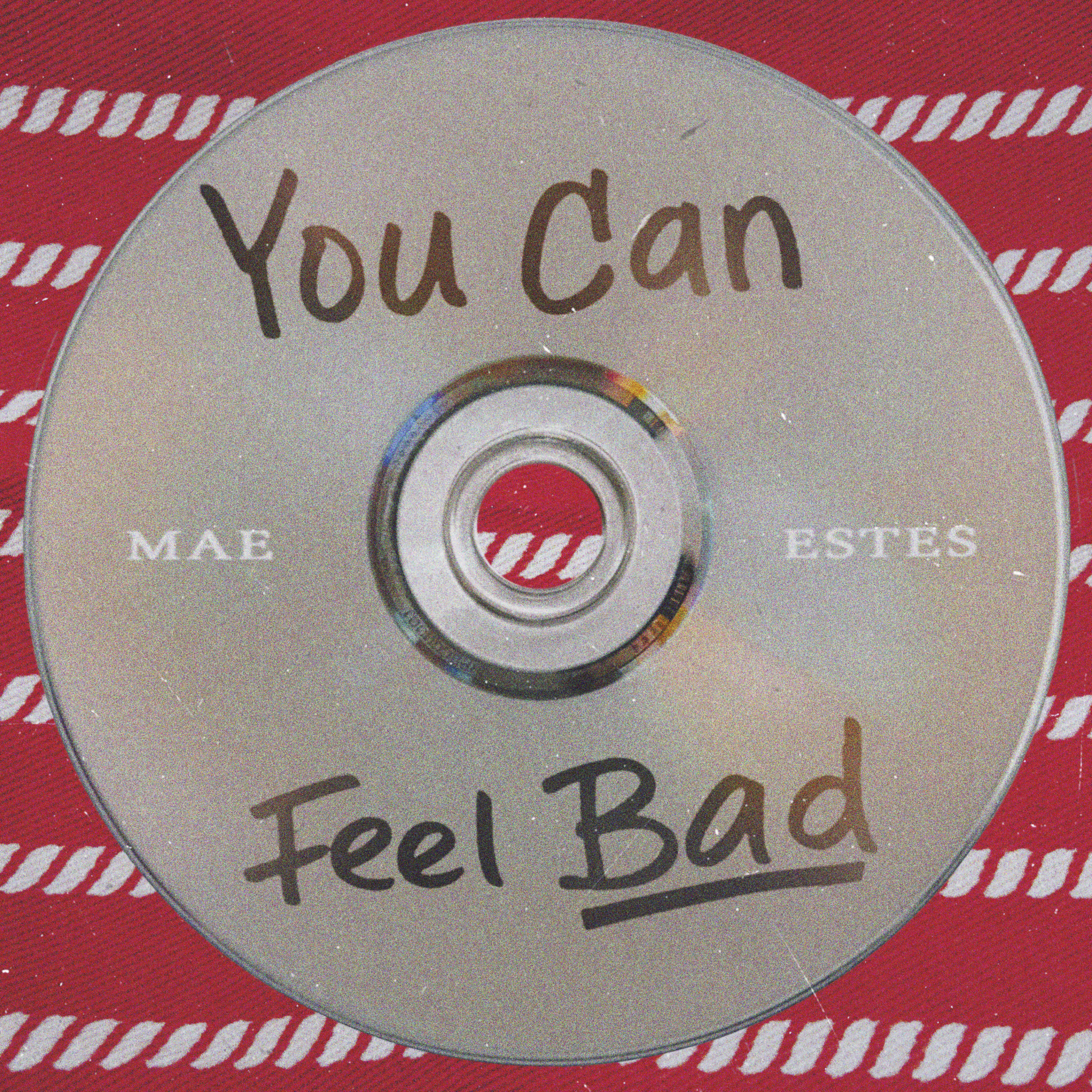
Mae Estes approaches “You Can Feel Bad” with the confidence of an artist who knows that a great country song does not need to be reinvented to feel alive again. Her spirited take on the Patty Loveless hit is less an exercise in nostalgia than a fresh introduction to a song built on attitude, independence and emotional self-possession. Estes preserves its essential character while adding her own vocal personality, giving the ’90s classic enough edge to sound completely at ease in 2026.
Originally written by Matraca Berg and Tim Krekel and made famous by Loveless, “You Can Feel Bad” turns a breakup into an exercise in refusing to play the victim. Estes clearly understands the appeal. Rather than leaning into the wounded side of the story, she gives the song a knowing edge, delivering its central retort with the cool assurance of someone who has already made peace with walking away. There is heartbreak in the premise, but she refuses to let heartbreak have the final word.
That distinction is important because Estes never treats the song as something to be handled delicately. Her performance preserves the backbone of the original while allowing her own phrasing and vocal character to reshape it. She brings a natural twang and a steel-toed confidence to the melody, finding just the right balance between bite and warmth. The attitude is unmistakable, but there is a smile behind it, echoing the quality Estes herself admires in Loveless’ original performance.
The production gives that personality plenty of room to move. A resounding beat drives the track forward, while the dizzying melody keeps it in constant motion. Fiddle, acoustic guitar, dobro and drums provide an authentically country foundation, with Grammy-winning fiddler Joe Spivey, Trey Hensley, Josh Matheny and ’90s country veteran Lonnie Wilson among the musicians contributing to the project. The arrangement sounds firmly rooted while still carrying the energy of a contemporary recording. It has the muscularity of traditional country without sacrificing momentum or polish.
Estes’ affinity for the era is more than nostalgia. Her forthcoming six-song EP, The 90s Called, is built around songs and artists that helped shape her musical perspective, including Brooks & Dunn, K.T. Oslin, Lee Ann Womack and Shenandoah. Her own description of the project makes the intention clear: these are songs she wishes she had written and voices that changed her life. That reverence is evident here, but so is the confidence to put her own stamp on the material.
A three-time Arkansas Country Music Association Female Vocalist of the Year, Estes brings considerable vocal authority to “You Can Feel Bad.” She does not over-sing the song or manufacture drama where none is needed. Instead, she lets the lyric’s wit do the work, punctuating it with phrasing that feels conversational one moment and commanding the next. That restraint makes the song’s confidence even more convincing.
The most impressive thing about Estes’ version is how little she needs to alter to make the song feel like her own. She respects the original while changing its temperature. What emerges is not an exercise in retro cosplay, but a reminder that the emotional directness and unapologetic female perspective of ’90s country still have plenty of life in them.
“You Can Feel Bad” ultimately works because Estes understands what made the song endure in the first place: its refusal to confuse heartbreak with helplessness. She brings that spirit forward with a voice that is assured, expressive and unmistakably her own. The result is a spirited country performance that honors where the song came from while demonstrating just how naturally its sharp-edged confidence fits within Estes’ own artistic identity.
(Review Written By: Chad Carlson)
Latest Updates
- Single Review: Morgan Wade and John Paul White - “Old History”
- Single Review: Miranda Lambert - “Two Things Can Be True”
- Single Review: Mae Estes - “You Can Feel Bad”
- Single Review: Emily Ann Roberts - “Lonely Boy”
- Single Review: Dylan Marlowe - “In This Boat”
- #throwbackthursday: Gary Allan - "Today"
- Single Review: Danielle Bradbery - “Poetic”
- Single Review: 80 Acres & Wyatt Flores - "One More Hurt"
- Single Review: Stephen Wilson Jr. - "Cørnerman"
- Single Review: Gavin Adcock - "Rockstar Life"
- Music Video: Kelsey Hart - "Love To Be That Guy"
- Performance Video: Mack Geiger - "String By" (The Bonfire Sessions)
- Music Video: Luke Bryan feat. Luke Combs - "Finders Keepers"
- Lyric Video: Zach Meadows - "Backstreet Baby"
- Visualizer: Parker McCollum - "Solid Country Gold"
- Music Video: Kevin Powers - "Who’s Drinking Now"
- Visualizer: Mack Geiger - "Pouring"
- Performance Video: Zach Top - "Other Side Of Hurtin'" (Acoustic)
- Show Review: Tim McGraw Turns a Rainy Tinley Park Night into a Career-Spanning Campfire
- Show Review: 49 Winchester Bring Russell County Fire to Tinley Park